
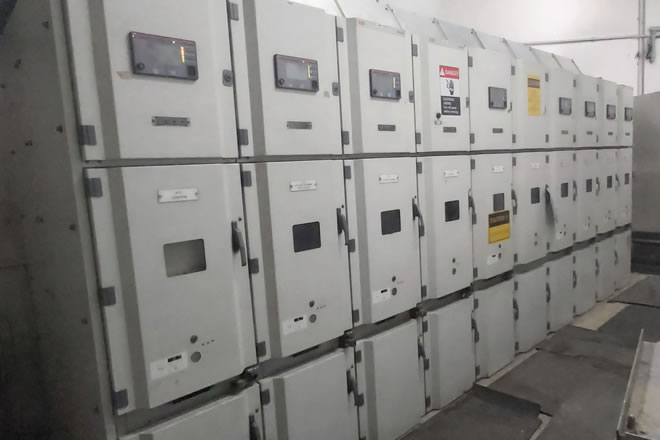
The complexity of managing large-scale MEP projects in Nigeria has intensified dramatically as buildings become more sophisticated and client expectations continue to rise. From coordinating multiple specialized trades to navigating evolving regulatory requirements, project managers face unprecedented challenges that can make or break entire developments. The stakes are particularly high in Nigeria’s construction boom, where delayed MEP installations can stall entire projects and cost overruns often exceed 30% of initial budgets due to poor coordination and inadequate planning.
Modern MEP project management demands a strategic approach that goes far beyond traditional construction oversight. At Almog Engineering Limited, our three decades of experience managing complex installations across Lagos, Abuja, and industrial zones throughout Nigeria have revealed that successful MEP project management hinges on seven critical competencies. These proven methodologies have enabled us to deliver projects ranging from high-rise office complexes to sophisticated hospital facilities, consistently meeting deadlines while maintaining the quality standards that define professional excellence in Nigeria’s competitive construction landscape.
Strategic Pre-Construction Planning and System Integration
Effective MEP project management begins months before the first piece of equipment arrives on site. The pre-construction phase establishes the foundation for every aspect of project execution, from resource allocation to sequence coordination. Unlike general construction activities, MEP systems require extensive lead times for equipment procurement, with major items like chillers and generators often requiring 12-20 weeks for delivery to Nigeria.
The integration challenge becomes exponentially complex in large projects where mechanical, electrical, and plumbing systems must coexist within limited spatial constraints. Advanced 3D modeling and clash detection software have become indispensable tools for identifying conflicts before construction begins. At Almog Engineering, we utilize Building Information Modeling (BIM) technology to create virtual representations of entire MEP installations, allowing our teams to resolve spatial conflicts and optimize routing paths during the design phase.
Successful pre-construction planning also demands a detailed understanding of local market conditions. Nigeria’s import requirements, foreign exchange considerations, and customs procedures significantly impact equipment delivery schedules. Our project managers maintain detailed supplier databases and alternative sourcing strategies to mitigate supply chain risks that could otherwise derail project timelines.
Advanced Project Scheduling and Resource Coordination
MEP project scheduling requires a sophisticated understanding of interdisciplinary dependencies that don’t exist in other construction sectors. Fire protection systems often must be installed before ductwork, which precedes electrical conduit installation, which then enables architectural finishes. Any disruption in this carefully orchestrated sequence creates cascading delays throughout the entire project.
Resource coordination becomes particularly challenging when managing multiple specialized trades simultaneously. A typical large-scale MEP project may involve HVAC technicians, electrical specialists, plumbing contractors, fire protection installers, and building automation experts, each with distinct skill requirements and equipment needs. Effective project managers develop detailed resource matrices that account for skill overlap, equipment sharing opportunities, and trade-specific space requirements.
Technology platforms have revolutionized MEP project scheduling by enabling real-time communication and progress tracking. Modern project management software allows superintendents to monitor installation progress across multiple building zones simultaneously, identify bottlenecks before they impact critical path activities, and coordinate resource reallocation to maintain schedule integrity. At Almog Engineering, our project managers leverage these digital tools while maintaining the personal relationships and field experience that ensure practical implementation success.
Quality Control Systems and Performance Standards
Quality control in MEP projects extends far beyond basic installation verification to encompass system performance, energy efficiency, and long-term reliability. The complexity of modern building systems demands systematic testing protocols that verify not just individual component function but integrated system performance under various operating conditions.
Establishing clear quality standards begins during the design phase with detailed specifications that address performance criteria, testing procedures, and acceptance standards. These specifications must account for Nigeria’s unique operating environment, including elevated ambient temperatures, humidity levels, and power quality challenges that can significantly impact system performance and longevity.
Implementation of quality control systems requires trained personnel who understand both technical requirements and regulatory compliance standards. Our quality assurance protocols include regular inspection schedules, comprehensive testing procedures, and detailed documentation systems that provide complete traceability for every system component. This systematic approach has proven essential for maintaining client confidence and ensuring warranty compliance across our diverse project portfolio.
The commissioning process represents the culmination of quality control efforts, involving comprehensive system testing and performance verification before project handover. Proper commissioning identifies operational issues while they can still be addressed within project budgets and schedules, rather than becoming expensive post-occupancy problems.
Budget Management and Cost Control Strategies
MEP systems typically represent 40-60% of total building construction costs, making budget management a critical success factor for project viability. Cost control challenges are compounded by volatile material prices, currency fluctuations affecting imported equipment, and the technical complexity that makes accurate cost forecasting particularly difficult.
Effective budget management begins with detailed cost estimating that accounts for all project variables, including equipment costs, installation labor, testing and commissioning, and contingency reserves for unforeseen conditions. Our estimating process incorporates historical cost data from similar projects while adjusting for current market conditions and project-specific requirements.
Change order management represents another critical budget control element. MEP projects are particularly susceptible to scope changes as building requirements evolve or unforeseen site conditions emerge. Establishing clear change order procedures and maintaining detailed documentation helps protect project budgets while ensuring that necessary modifications are properly authorized and tracked.
Cash flow management becomes particularly important for MEP contractors who must often purchase expensive equipment months before installation occurs. Strategic payment scheduling and supplier financing arrangements help maintain project cash flow while ensuring timely equipment delivery and installation progress.
Technology Integration and Digital Project Management
Modern MEP project management increasingly relies on digital tools and platforms that enhance communication, improve coordination, and provide real-time visibility into project status. Building Information Modeling (BIM) has evolved from a design tool to a comprehensive project management platform that supports everything from clash detection to maintenance planning.
Digital fabrication capabilities are transforming MEP project execution by enabling prefabrication of complex assemblies in controlled shop environments. Prefabricated mechanical rooms, electrical panels, and plumbing manifolds can significantly reduce field installation time while improving quality and reducing waste. These approaches require sophisticated coordination between design teams, fabrication facilities, and field installation crews.
Project communication platforms enable real-time collaboration between geographically dispersed team members, particularly important for projects involving international suppliers or remote project stakeholders. Cloud-based document management systems ensure that all team members have access to current drawings, specifications, and project communications regardless of their location.
Performance monitoring and analytics capabilities provide project managers with unprecedented visibility into project progress and performance metrics. These tools enable proactive identification of potential problems and data-driven decision-making that improves project outcomes while building organizational knowledge for future projects.
Risk Management and Contingency Planning
Large MEP projects face numerous risk factors that can significantly impact cost, schedule, and performance outcomes. Effective risk management requires systematic identification of potential problems, assessment of their probability and impact, and development of mitigation strategies that minimize project exposure.
Technical risks include equipment failures, design deficiencies, and integration challenges that can disrupt system performance or delay project completion. Supply chain risks encompass delivery delays, quality issues, and price volatility that affect project costs and schedules. Regulatory risks involve code changes, permitting delays, and compliance issues that can require expensive modifications or schedule adjustments.
Environmental and operational risks specific to Nigeria include power grid instability, extreme weather conditions, and security concerns that may impact project execution. Our risk management protocols include detailed contingency plans for these scenarios, including backup power arrangements, alternative transportation routes, and security procedures that ensure project continuity under challenging conditions.
Financial risk management encompasses currency hedging strategies, bonding requirements, and insurance coverage that protect both project stakeholders and contractors from unforeseen financial exposures. These considerations become particularly important for projects involving significant imported equipment or extended project durations.
Team Development and Stakeholder Communication
Successful MEP project management ultimately depends on skilled professionals who understand both technical requirements and project management principles. The shortage of qualified MEP technicians and project managers in Nigeria makes workforce development a critical competitive advantage for successful contractors.
Almog Engineering’s approach to team development emphasizes both technical training and project management skill development. Our senior project managers mentor junior staff through increasingly complex assignments, building the expertise and judgment required for successful large-scale project management. This investment in human capital development has proven essential for maintaining quality standards and building long-term client relationships.
Stakeholder communication requires a careful balance between technical accuracy and accessibility for non-technical audiences. Project managers must effectively communicate complex technical issues to architects, general contractors, and building owners while maintaining the detailed coordination required among specialized trade contractors. Regular project meetings, progress reports, and proactive problem communication help maintain stakeholder confidence and project momentum.
Client relationship management extends beyond project completion to encompass ongoing service and support activities that build long-term business relationships. Our project managers maintain detailed client communication throughout project execution and beyond, ensuring that building owners understand system operation and maintenance requirements while positioning Almog Engineering for future project opportunities.
Frequently Asked Questions
What are the biggest challenges in managing large MEP projects in Nigeria?
The primary challenges include equipment import delays, skilled labor shortages, power grid instability, and complex regulatory compliance requirements across different states and municipalities.
How long does it typically take to manage a large-scale MEP project from start to finish?
Complete MEP project cycles typically range from 12-24 months, including design, procurement, installation, and commissioning phases, depending on project complexity and building size.
What project management software tools are most effective for MEP contractors?
Leading MEP contractors utilize BIM platforms like Revit MEP, project management tools like Procore, and specialized MEP software, including Trimble SysQue, for comprehensive project coordination.
How can MEP project managers ensure quality while maintaining tight schedules and budgets?
Success requires systematic quality control protocols, detailed pre-construction planning, advanced scheduling tools, and experienced project teams who understand both technical requirements and practical implementation challenges.
Conclusion
Managing large MEP projects successfully requires mastering multiple complex disciplines while maintaining focus on cost, schedule, and quality objectives. The integration of advanced planning techniques, digital project management tools, and experienced professional teams creates the foundation for consistent project success. These proven methodologies enable MEP contractors to deliver sophisticated building systems that meet client expectations while building sustainable competitive advantages.
Ready to ensure your next large MEP project achieves exceptional results? Contact Almog Engineering Limited today to discuss how our comprehensive project management capabilities and three decades of Nigerian market experience can transform your project’s success trajectory and long-term performance outcomes.