
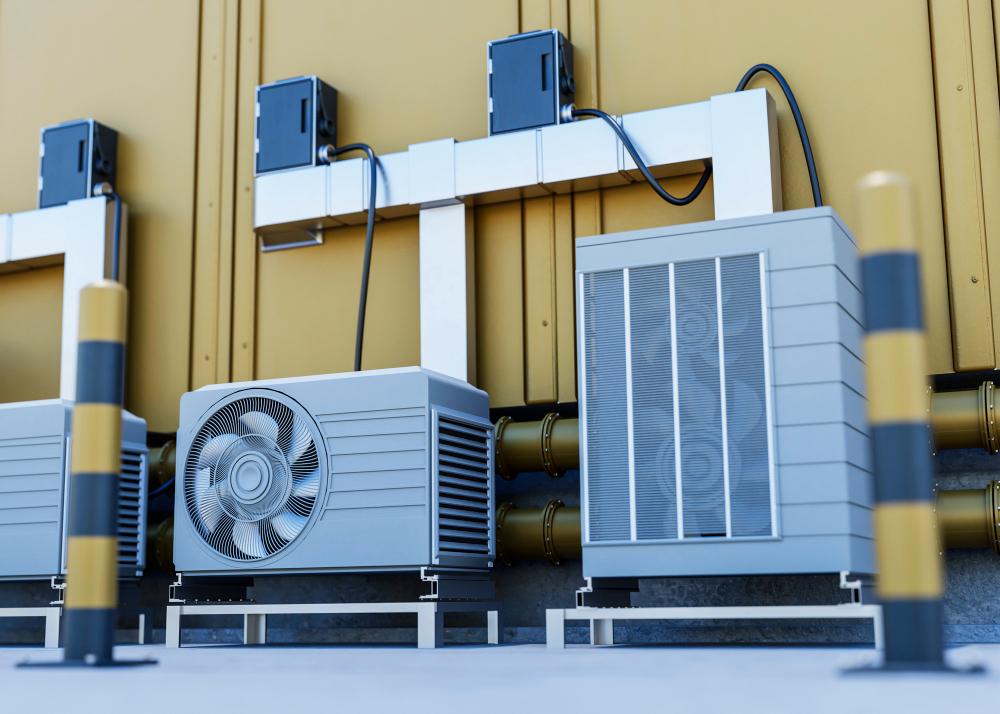
Nigeria’s demanding climate conditions require HVAC installations that perform reliably across extreme weather variations while maintaining energy efficiency and occupant comfort. The challenge extends beyond basic cooling systems to comprehensive climate control solutions that address humidity, air quality, and energy management in environments where system failure can disrupt business operations and compromise facility functionality. Modern HVAC installations demand precision engineering that balances performance with operational costs.
The distinction between standard HVAC installations and world-class systems lies in technical expertise, quality components, and systematic implementation approaches. Almog Engineering Limited has established a reputation for delivering HVAC solutions that exceed expectations through three decades of experience across Nigeria’s diverse climate zones and facility types. Their approach transforms basic climate control needs into sophisticated environmental management systems that enhance productivity and reduce operational costs.
7 Ways Almog Engineering Revolutionizes HVAC Installation in Nigeria
1. Advanced System Design for Nigeria’s Climate Challenges
Nigeria’s tropical climate presents unique HVAC challenges that require specialized design approaches addressing high humidity, temperature variations, and seasonal weather patterns. Effective HVAC systems must maintain consistent indoor conditions while managing moisture control, air circulation, and energy consumption. Standard approaches often fail to address these interconnected factors, resulting in inefficient systems and ongoing operational problems.
Revolutionary HVAC design begins with comprehensive climate analysis and load calculations specific to Nigerian conditions. This includes understanding solar heat gain patterns, humidity management requirements, and occupancy variations throughout different seasons. Advanced modeling techniques predict system performance under various conditions, ensuring installations deliver consistent results regardless of external weather patterns.
Almog Engineering’s climate-specific design methodology has proven effective across diverse projects from luxury residential developments to government facilities. Their systematic approach considers building orientation, insulation values, and usage patterns to create HVAC systems that perform optimally in Nigeria’s challenging environment. This attention to local conditions ensures reliable performance while minimizing energy consumption and maintenance requirements.
The investment in climate-specific HVAC design pays dividends through reduced operating costs, improved occupant comfort, and extended equipment life. Projects that prioritize these design principles achieve superior performance while avoiding the costly modifications often required when standard systems fail to meet local conditions.
2. Energy-Efficient Technologies and Smart Controls
Modern HVAC installations incorporate advanced technologies that optimize energy consumption while maintaining superior comfort levels. Variable frequency drives, intelligent thermostats, and automated control systems create responsive environments that adjust to occupancy patterns and environmental conditions. These technologies reduce energy waste while enhancing system performance and occupant satisfaction across residential and commercial applications.
Smart HVAC controls enable predictive operation that anticipates heating and cooling needs based on historical data, weather forecasts, and occupancy schedules. This proactive approach minimizes energy consumption while ensuring comfort levels remain consistent. Additionally, advanced monitoring capabilities provide real-time performance data that enables continuous optimization and early detection of potential issues.
The integration of Building Management Systems with HVAC controls creates comprehensive environmental management platforms that optimize entire facility operations. These integrated approaches have proven particularly valuable for commercial headquarters and government buildings where operational efficiency directly impacts productivity and service delivery. Almog Engineering’s expertise in smart control integration ensures seamless operation while providing facility managers with powerful tools for ongoing optimization.
Organizations investing in energy-efficient HVAC technologies typically achieve 20-40% reductions in cooling costs while improving indoor air quality and comfort levels. These improvements enhance building values while reducing operational risks associated with system failures and excessive energy consumption.
3. Precision Installation and Quality Assurance
The gap between exceptional HVAC design and superior performance lies in precision installation techniques and comprehensive quality assurance processes. Proper refrigerant line installation, ductwork fabrication, and system commissioning ensure that the designed performance translates into operational reality. Attention to installation details prevents efficiency losses and reliability issues that plague poorly executed HVAC projects.
Revolutionary installation practices include systematic testing procedures, performance verification, and documentation that ensures systems operate according to design specifications. This comprehensive approach addresses potential issues before they impact system performance, creating installations that deliver consistent results throughout their operational life. Quality assurance processes also ensure compliance with manufacturer requirements and local regulations.
Almog Engineering’s installation methodology emphasizes precision and verification at every stage, from initial equipment placement through final system commissioning. Their experienced technicians understand how installation details impact long-term performance, ensuring that systems achieve designed efficiency levels while maintaining reliability. This systematic approach has proven essential for critical installations where performance consistency is non-negotiable.
Facility owners who prioritize precision installation typically experience fewer service calls, longer equipment life, and lower total cost of ownership. These benefits result from proper installation techniques that prevent common issues while optimizing system performance from the initial startup.
4. Customized Solutions for Diverse Applications
Nigeria’s diverse building types and usage patterns require HVAC solutions tailored to specific application requirements. Hospital operating rooms demand different environmental controls than corporate offices, while industrial facilities have unique ventilation and temperature control needs. Effective HVAC installations recognize these differences and provide customized solutions that address specific operational requirements.
Residential applications require comfort-focused systems that operate quietly while maintaining consistent temperatures throughout living spaces. Commercial installations prioritize energy efficiency and zone control capabilities that accommodate varying occupancy patterns. Industrial applications often require specialized ventilation systems that manage process heat and maintain air quality standards for worker safety and product quality.
The complexity of customized HVAC solutions requires a deep understanding of application-specific requirements combined with technical expertise in system design and component selection. Almog Engineering’s three decades of experience across residential, commercial, public, and industrial sectors provide unique insights into application-specific requirements and optimal solution approaches.
Government facilities present particularly complex requirements that combine security considerations with operational efficiency needs. These installations require specialized approaches that ensure reliable operation while meeting strict compliance requirements and budget constraints.
5. Preventive Maintenance and Lifecycle Support
Revolutionary HVAC installations extend beyond initial system delivery to include comprehensive maintenance programs that preserve performance and extend equipment life. Preventive maintenance schedules, performance monitoring, and proactive component replacement prevent costly failures while maintaining optimal efficiency levels. This lifecycle approach ensures that initial investment in quality HVAC systems delivers long-term value.
Effective maintenance programs include regular system inspections, filter replacements, refrigerant level monitoring, and performance testing that identifies potential issues before they impact system operation. Additionally, seasonal maintenance activities prepare systems for peak demand periods while addressing wear patterns that develop during regular operation.
Almog Engineering’s maintenance approach emphasizes systematic care that preserves system performance while minimizing operational disruptions. Their experienced service teams understand how proper maintenance extends equipment life and prevents expensive emergency repairs. This proactive approach has proven particularly valuable for critical installations where system downtime has significant operational consequences.
Organizations that invest in professional maintenance services typically achieve 15-25% longer equipment life while reducing energy consumption and avoiding costly emergency repairs. These benefits make maintenance programs essential components of total HVAC lifecycle management strategies.
6. Advanced Indoor Air Quality Management
Modern HVAC installations address indoor air quality as comprehensively as temperature control, recognizing that occupant health and productivity depend on clean, properly conditioned air. Advanced filtration systems, humidity control, and ventilation management create environments that promote health while maintaining comfort. This holistic approach to environmental control has become essential for contemporary building standards.
Indoor air quality management requires an understanding of pollutant sources, ventilation requirements, and filtration technologies appropriate for specific applications. Commercial buildings need different air quality approaches than residential spaces, while healthcare and educational facilities require specialized systems that address unique occupancy and usage patterns.
The integration of air quality monitoring with HVAC controls enables responsive systems that adjust ventilation and filtration based on real-time conditions. These smart systems maintain optimal air quality while minimizing energy consumption and providing facility managers with detailed environmental data.
Almog Engineering’s approach to indoor air quality emphasizes practical solutions that deliver measurable improvements in occupant comfort and health. Their systematic approach to air quality management has proven particularly valuable for corporate headquarters and government facilities where employee productivity and public health are priorities.
7. Regulatory Compliance and International Standards
Nigeria’s evolving building codes and environmental regulations require HVAC installations that meet current standards while anticipating future requirements. Compliance with local regulations, international efficiency standards, and industry best practices ensures project approval and long-term viability. Additionally, adherence to quality standards prevents costly modifications and ensures reliable system performance.
The complexity of regulatory compliance increases with project scale and application type. Commercial developments must meet different requirements than residential projects, while industrial installations require specialized compliance with safety and environmental standards. Understanding these varied requirements and implementing appropriate solutions demands extensive experience and ongoing attention to regulatory developments.
Almog Engineering’s commitment to regulatory compliance reflects its understanding that proper HVAC installation forms the foundation of building safety and performance. Their systematic approach ensures projects meet applicable standards while avoiding delays and additional costs associated with compliance issues. This attention to detail has proven crucial for successful project completion across diverse sectors.
Organizations that prioritize compliance and standards adherence reduce project risks while ensuring systems maintain performance and efficiency throughout their operational life. These investments in proper installation practices protect against regulatory changes while creating buildings that retain their value and functionality.
Frequently Asked Questions
What factors determine the appropriate HVAC system size and capacity for Nigerian buildings? HVAC sizing depends on building square footage, occupancy levels, insulation quality, window area, and local climate conditions. Professional load calculations consider these factors plus internal heat sources and usage patterns to determine optimal system capacity for efficient operation.
How long do professionally installed HVAC systems typically last in Nigeria’s climate? Quality HVAC systems with proper installation and maintenance typically operate effectively for 15-20 years in Nigeria’s tropical climate. Regular maintenance, quality components, and professional installation significantly impact system longevity and performance consistency.
What ongoing maintenance is required to maintain HVAC system efficiency and reliability? Essential maintenance includes monthly filter changes, quarterly system inspections, annual refrigerant checks, and biannual deep cleaning of components. Professional maintenance programs ensure optimal performance while preventing costly repairs and extending equipment life.
How can building owners evaluate HVAC installation quality and contractor expertise? Quality evaluation should include contractor experience verification, past project references, certification credentials, and warranty offerings. Additionally, proper installation includes comprehensive testing, performance verification, and detailed system documentation upon completion.
Conclusion
Revolutionary HVAC installation transforms basic climate control into sophisticated environmental management that enhances occupant comfort while optimizing operational efficiency. Through advanced design, precision installation, and ongoing support, these systems deliver reliable performance that meets Nigeria’s demanding climate challenges.
Ready to experience world-class HVAC performance? Contact Almog Engineering Limited today to explore revolutionary HVAC solutions that deliver exceptional results for your facility.